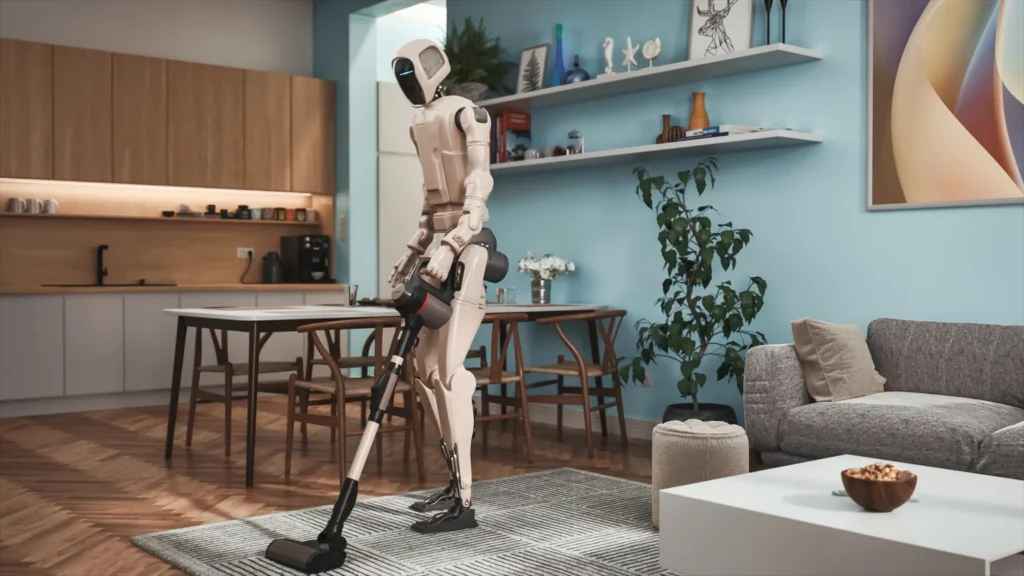
Robot vacuums have moved from gadget to everyday helper in many French homes, but owners are far from unanimous. Here is what they say about models, prices, maintenance and the old-fashioned vacuum that still has its place.
What Owners Call Them
Plenty of owners name their robots. Answers range from Skynet and Terminator to Robospierre, which was quickly declared the winner, along with Aspifouette, Pete Doherty and an R2-D2 in a home where nobody has ever watched Star Wars. One family wanted to call theirs Maurice but couldn’t set a male voice, so it became Mauricette. Another household runs a robot lawnmower called Herbeux-D2 next to a vacuum called SOL-3PO.
Does It Actually Clean?
Owners who are happy tend to say the same thing: skip the bottom of the range. One had a cheap model that just “drew circles and hugged the walls”, then switched to one that maps the room and mops too; with an occasional proper mop, the home stays clean every day. Another calls it their second-best purchase after the dishwasher. They lent it to their parents for a week’s holiday, and the parents, who have dogs, then bought two, one per floor. A couple who both hate vacuuming run theirs through the whole house once a week and the kitchen daily, and notice far less dust building up on shelves.
Not everyone is convinced. One owner with a dog and a child went back to a regular vacuum because the robot, noisy as well, kept getting stuck on a forgotten toy or a pillow the dog had knocked down. Another found it cleans only “on the surface”: it skips corners, curtains, under furniture and the sofa, so it can complement a real vacuum but not replace it. Several owners still do a full vacuum and mop at least once a week.
Living With It
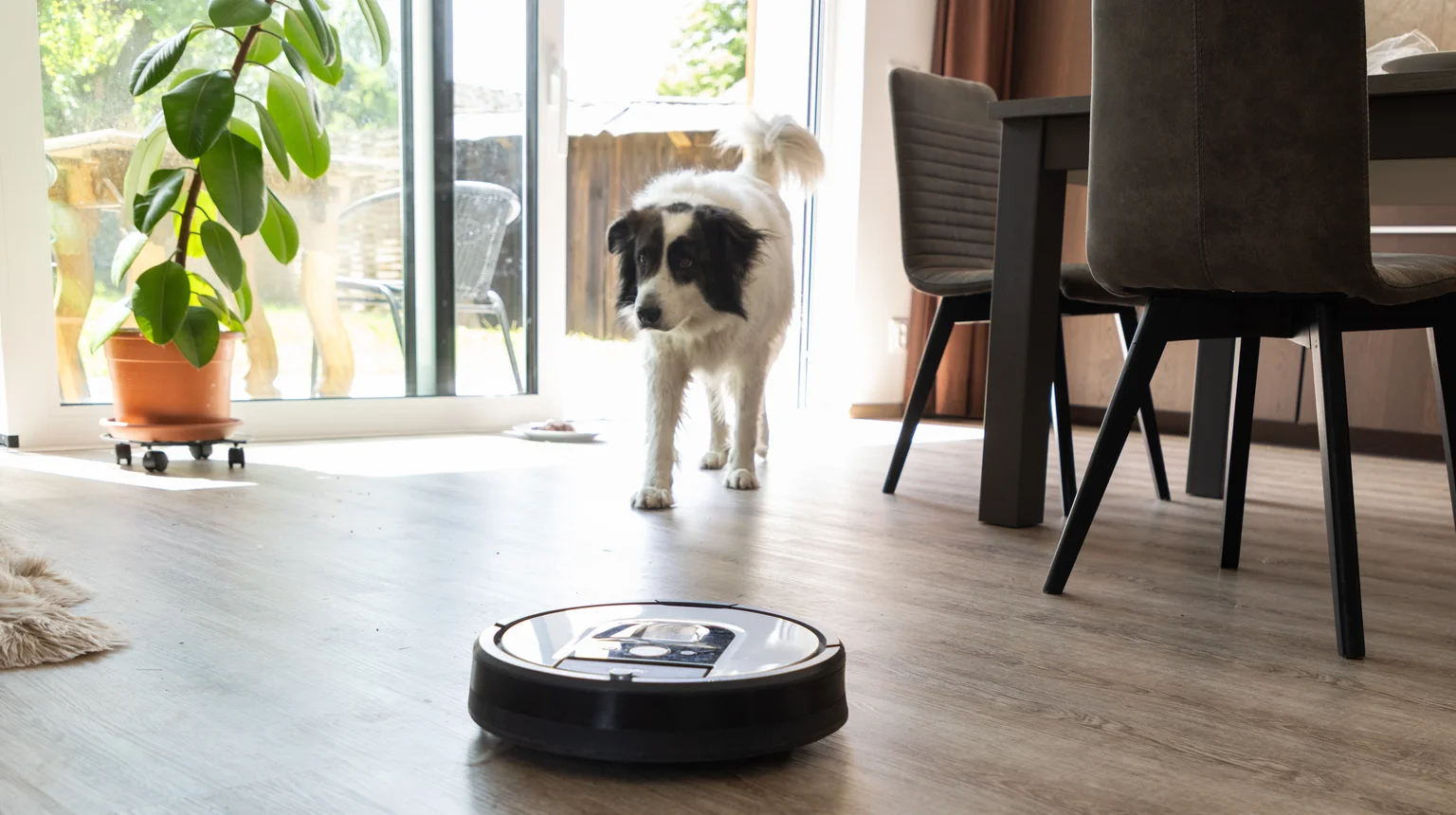
The robot needs a clear floor, and owners see that as both the cost and the benefit. Cables, socks and toys have to go, which forces the household to stay tidy. With young children building dens everywhere, one parent often finds the robot “depressed and lost in a corner”. Two cats carrying their favourite toys around the house also cause jams.
Cat owners should expect to empty and clean the robot often, because fur fills it fast. Some models detect pet mess. One owner notes that otherwise it gets spread around when the robot runs while you’re out. Most robots won’t climb a step but won’t fall down one either, and better models lift themselves over thick rugs and small obstacles. One family programs theirs for 1 pm to 3 pm on four weekdays, with a different set of rooms each day.
Features Worth Paying For
One owner lists what matters when the budget goes up:
- an active mop, because a mop that is just dragged along barely cleans;
- a self-emptying dock, handy if you are away for a few days, especially with pets;
- detection of vomit and pet mess;
- a double-rotating brush so hair wraps around it less often;
- the ability to climb small steps.
A Dreame L10 Pro Ultra Heat owner says its mop even removes dried bloodstains, and that it recharges and resumes on its own, re-wets its mops and dries them at the end.
Brand loyalty runs high. Several owners name Roborock, Dreame and Ecovacs as today’s leading brands. Roborock fans praise reliability and easy repairs: one couple replaced a few parts after 4 years, and an old Roborock S4 bought in 2020 has logged 20 km² and 380 hours. A Roomba owner reports 6 trouble-free years. Owners advise budgeting for upkeep: one spends about €38 a year on brushes and rollers, and another cleans the machine every two weeks, otherwise it leaks onto the parquet.
What They Cost
Discounts are frequent. One owner paid about €400 for a robot then listed above €900, and others bought theirs on Black Friday, including a Roborock Q7 Max+ for €450. Experiences don’t always track price: one owner found a €600 model very disappointing, while others are happy with €170 robots from Lidl. That owner plans to spend €1,000–1,200 next time. A €370 model probably won’t have the lidar sensors that steer around cables and socks.
The Traditional Vacuum Isn’t Dead
One household has spent 5 years looking for a vacuum that lasts. A mid-range cordless and then a mid-range bagless corded model both lost suction, and a mid-range wet-and-dry vacuum’s brush seemed worn flat within a month. Suggestions poured in. A corded site vacuum such as the Karcher WD3 is loud and bulky but powerful and tough. One owner bought a big yellow Karcher for €99 to pick up after a rabbit and still uses it 5 years later for a constantly shedding border collie, emptying the bag every six months. Others swear by bagged Miele cylinder vacuums, or a Numatic Henry used through a house renovation without losing suction in 2 years. A Dyson V12 owner with a heavy-shedding dog is happy after 2 years, while others report Dysons weakening after the warranty.
Bags divide people too. Emptying and reusing a bag saves money, but it releases dust you breathe in, so do it outside, and the bag becomes more porous each time, which can harm the motor and filters.